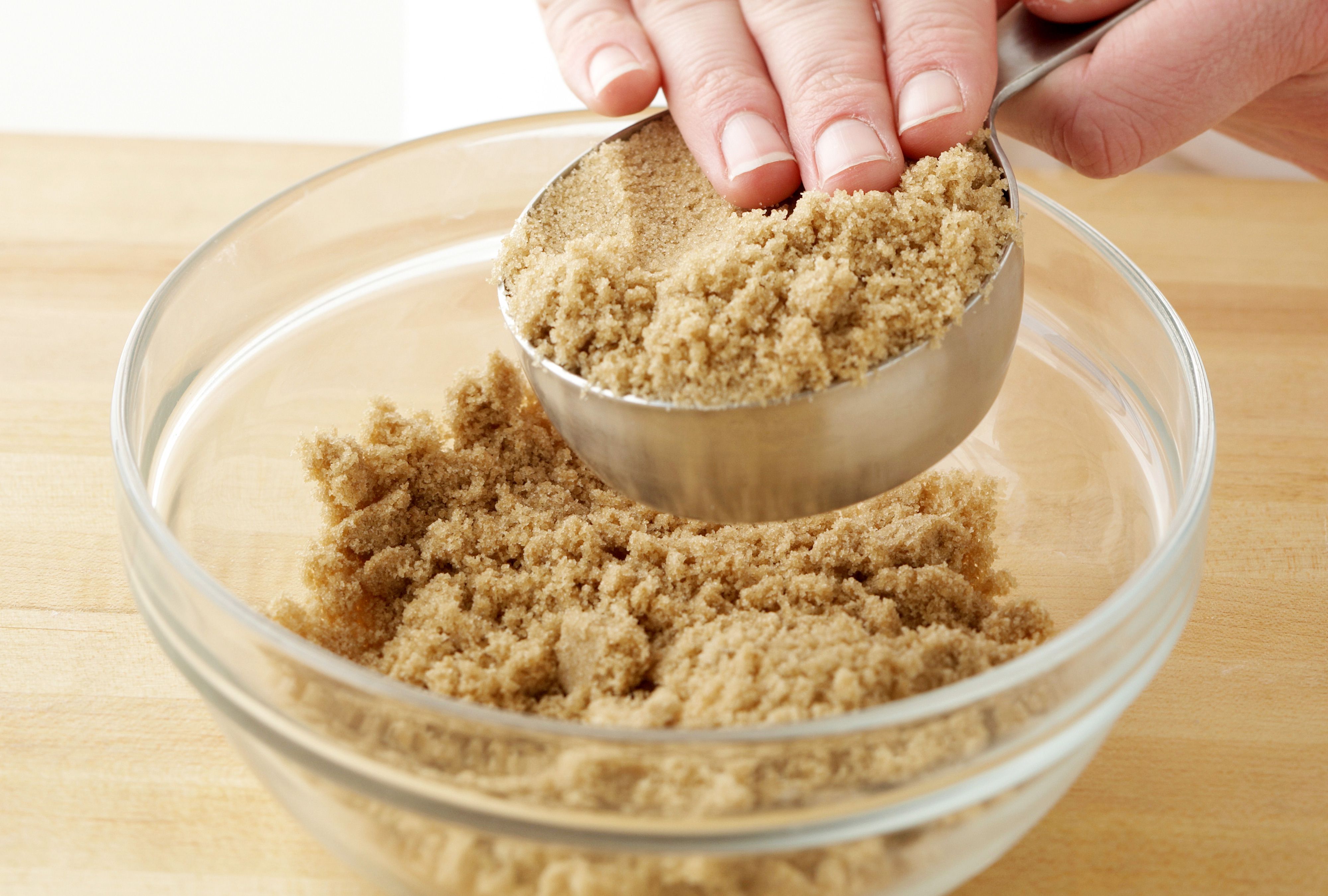
Ever found yourself halfway through a beloved cookie recipe, flour dusted across the counter, only to discover your brown sugar supply has solidified into a rock-hard brick or, worse, is completely empty? It’s a common kitchen woe that can bring your baking ambitions to a screeching halt. But what if we told you that frustrating scramble to the store could be a thing of the past? The secret lies in a surprisingly simple, incredibly fast, and utterly satisfying kitchen hack: making your own brown sugar at home.
Far from being a complicated culinary feat, crafting homemade brown sugar is a revelation. It takes mere minutes, requires only two pantry staples you likely already have, and yields a product that's often superior in freshness, texture, and flavor to many store-bought varieties. Say goodbye to preservatives, clumpy bags, and last-minute grocery runs. This guide will walk you through everything you need to know about how to make brown sugar, transforming your baking and cooking experience forever.
What Exactly Is Brown Sugar? Deconstructed for Bakers
Before we dive into the "how-to," let's demystify brown sugar itself. At its core, brown sugar is nothing more than granulated white sugar infused with molasses. That's it! The magic truly happens with the molasses content, which dictates the type and flavor intensity:
- Light Brown Sugar: Contains a smaller amount of molasses, giving it a milder, sweeter caramel flavor and a lighter color. It's the go-to for most everyday baking, like chocolate chip cookies and muffins.
- Dark Brown Sugar: Boasts a higher molasses concentration, resulting in a deeper, richer, more robust flavor with distinct notes of toffee and a darker hue. This variant is preferred for gingerbread, barbecue sauces, and recipes where a more pronounced molasses flavor is desired.
Store-bought brown sugar, while convenient, often undergoes processing to achieve a consistent texture and prevent clumping, which can sometimes involve additives. Homemade brown sugar, however, is pure and retains its natural moisture, giving it an inherently softer, fresher texture and a more vibrant flavor profile straight out of the mixing bowl.
Why Make Your Own Brown Sugar? The Game-Changing Benefits
Beyond the simple satisfaction of DIY, there are numerous compelling reasons to embrace homemade brown sugar:
1. Always Soft and Fresh, Never a Hard Brick
One of the most common frustrations with store-bought brown sugar is its tendency to dry out and harden into an impenetrable block. This happens because the moisture evaporates over time. Homemade brown sugar, especially when made fresh for a recipe, is inherently soft and moist, making it a joy to measure and incorporate into your dishes. Even if it stiffens slightly after storage, it's easily revived.
2. Superior Flavor and Unrivaled Control
Because you're combining the purest ingredients, homemade brown sugar often delivers a brighter, cleaner flavor than its commercial counterparts. You also gain complete control over the intensity. Want a subtle caramel note? Go for light brown. Craving a deep, resonant sweetness for your BBQ glaze? Dark brown is your friend. This customization allows you to master homemade brown sugar: light vs. dark, ratios & storage guide for any recipe.
3. No Preservatives or Unnecessary Additives
When you make brown sugar at home, you're using just two ingredients: sugar and molasses. There are no anti-caking agents, artificial colors, or other unfamiliar compounds. This purity ensures that only the natural, delicious flavors shine through in your baking.
4. Economical and Incredibly Convenient
Running out of brown sugar is no longer an emergency. With a bag of white sugar and a bottle of molasses, you have an endless supply at your fingertips. This not only saves you a trip to the grocery store but can also be more cost-effective in the long run, especially if you bake frequently.
The Simple Ingredients You'll Need
This truly is a two-ingredient wonder. To make brown sugar, you only need:
- Granulated White Sugar: The base for your brown sugar. Standard granulated sugar works perfectly.
- Molasses: This is the magic ingredient that gives brown sugar its color, moisture, and distinctive flavor. For the best results, we highly recommend using unsulfured molasses. Unsulfered molasses is lighter in color and has a milder, sweeter flavor. Avoid "blackstrap molasses" unless you're intentionally aiming for a very strong, somewhat bitter flavor profile, which can overpower most baked goods. Look for brands labeled "light" or "original" unsulfured molasses.
Master the Ratios: Crafting Light or Dark Brown Sugar
The beauty of homemade brown sugar lies in its customizability. Adjusting the amount of molasses is all it takes to switch between light and dark brown sugar. Here are the precise ratios for perfect results every time:
- For Light Brown Sugar: Combine 1 cup of granulated white sugar with 1 tablespoon of molasses.
- For Dark Brown Sugar: Combine 1 cup of granulated white sugar with 2 tablespoons of molasses.
Feel free to scale these ratios up or down depending on how much brown sugar you need. For example, if you need 2 cups of light brown sugar, you'd use 2 cups of white sugar and 2 tablespoons of molasses.
Step-by-Step Guide: How to Make Brown Sugar in Minutes
Making brown sugar is incredibly straightforward, and you have two primary methods, depending on the equipment you have on hand. Both deliver excellent results, but one offers a slightly superior texture.
Method 1: Using a Food Processor (For the Best Texture)
This is our preferred method, as a food processor thoroughly incorporates the molasses, resulting in an evenly colored, soft, and slightly fluffy brown sugar that's a dream to work with.
- Combine Ingredients: Add your granulated white sugar and the appropriate amount of molasses (1 or 2 tablespoons per cup of sugar, depending on whether you want light or dark) to the bowl of your food processor.
- Process: Secure the lid and process for 30 to 60 seconds. During this time, the molasses will gradually coat all the sugar crystals.
- Scrape and Finish: Stop the processor and scrape down the sides of the bowl with a spatula, ensuring all the sugar is incorporated. Continue to process for another 15-30 seconds until the mixture is uniformly brown and has a soft, moist, sandy texture. There should be no visible streaks of white sugar or concentrated molasses.
- Use or Store: Your homemade brown sugar is now ready to use immediately in your recipe or store for later.
Method 2: Using a Bowl & Fork (No Special Equipment Needed)
Don't have a food processor? No problem! This method is just as effective, though it requires a little more elbow grease.
- Combine Ingredients: Place your granulated white sugar and molasses into a sturdy mixing bowl.
- Mix Thoroughly: Using a fork, begin mashing and stirring the molasses into the sugar. It will initially look streaky and clumpy. Keep working at it, breaking up any large clumps with the back of the fork.
- Continue until Uniform: This step takes patience. Continue to mash and stir until the molasses is fully combined with the sugar, and the mixture is uniformly brown. You want a consistent color and a moist, soft texture throughout. If it feels slightly sticky at first, that's perfectly normal; it will loosen up as it sits or as you break it apart.
- Use or Store: Your handmade brown sugar is now ready to elevate your culinary creations.
Storing Your Homemade Brown Sugar for Lasting Freshness
Proper storage is key to keeping your homemade brown sugar soft and pliable for months to come. The goal is to prevent moisture loss.
- Airtight Container is Essential: Transfer your freshly made brown sugar to an airtight container. Glass jars with tight-fitting lids, plastic containers with silicone seals, or even heavy-duty zip-top bags (with as much air pressed out as possible) work well.
- Room Temperature: Store the container at room temperature in a cool, dry pantry, away from direct sunlight or heat sources.
- Shelf Life: Stored correctly, homemade brown sugar will stay fresh and soft for several months.
- Reviving Dry Sugar: If, over time, your brown sugar does start to dry out and harden, don't despair! Simply add a few drops of molasses to it and mash it in with a fork, or give it a quick pulse in the food processor. Alternatively, you can place a slice of bread or an apple wedge in the container overnight (remove it the next day to prevent mold). The moisture from these items will transfer to the sugar, softening it up.
Beyond the Basics: Tips, Substitutions & FAQs
Can I Use Homemade Brown Sugar in Any Recipe?
Absolutely! Homemade brown sugar is a perfect 1:1 substitute for store-bought brown sugar in virtually any recipe. Its fresh moisture content often enhances the final product, leading to chewier cookies, more tender cakes, and richer sauces.
What are the Best Uses for Homemade Brown Sugar?
The possibilities are endless! It truly shines in:
- Baked Goods: Chocolate chip cookies, brownies, muffins, quick breads (like banana bread or zucchini bread), and pies. The moisture helps create a wonderfully tender and chewy texture.
- Sauces & Marinades: BBQ sauces, teriyaki marinades, glazes for ham or chicken. The molasses adds depth and caramelization.
- Breakfast Foods: Sprinkled over oatmeal, added to pancake batter, or stirred into a warm bowl of grits.
- Warm Drinks: A spoonful in your coffee or tea for a cozy, caramel note.
Can I use Honey or Maple Syrup Instead of Molasses?
While honey and maple syrup are liquid sweeteners, they are not suitable substitutes for molasses when making brown sugar. Molasses has a unique chemical composition and flavor profile that creates the distinctive taste and texture of brown sugar. Using honey or maple syrup would result in a different product entirely, altering both the flavor and texture of your brown sugar and potentially your final recipe.
Why Is My Homemade Brown Sugar a Bit Clumpy?
It's completely normal for fresh homemade brown sugar to feel a little clumpy or sticky initially. This is a sign of its natural moisture content, which is a good thing! Store-bought varieties often have anti-caking agents to prevent this. Before measuring for a recipe, simply break up any clumps with a fork or your fingers.
How Should I Measure Homemade Brown Sugar?
Since homemade brown sugar is typically softer and more moist than store-bought, it's best to measure it by lightly packing it into your measuring cup for accuracy, just as you would with commercial brown sugar. For ultimate precision in baking, especially for sensitive recipes, consider measuring by weight if your recipe provides gram measurements.
Conclusion: Your Kitchen, Elevated
Knowing how to make brown sugar at home is more than just a convenient trick; it’s a simple kitchen skill that empowers you. It saves you time, money, and the frustration of running out of an essential ingredient. With just two common pantry items and a few minutes of your time, you can consistently produce fresh, flavorful brown sugar that will undoubtedly elevate your baking and cooking. Give it a try – you'll quickly wonder how you ever managed without this effortless, rewarding DIY skill!
